4 menit baca
Cost per ton of crushing plastic in Indonesia: power and blades
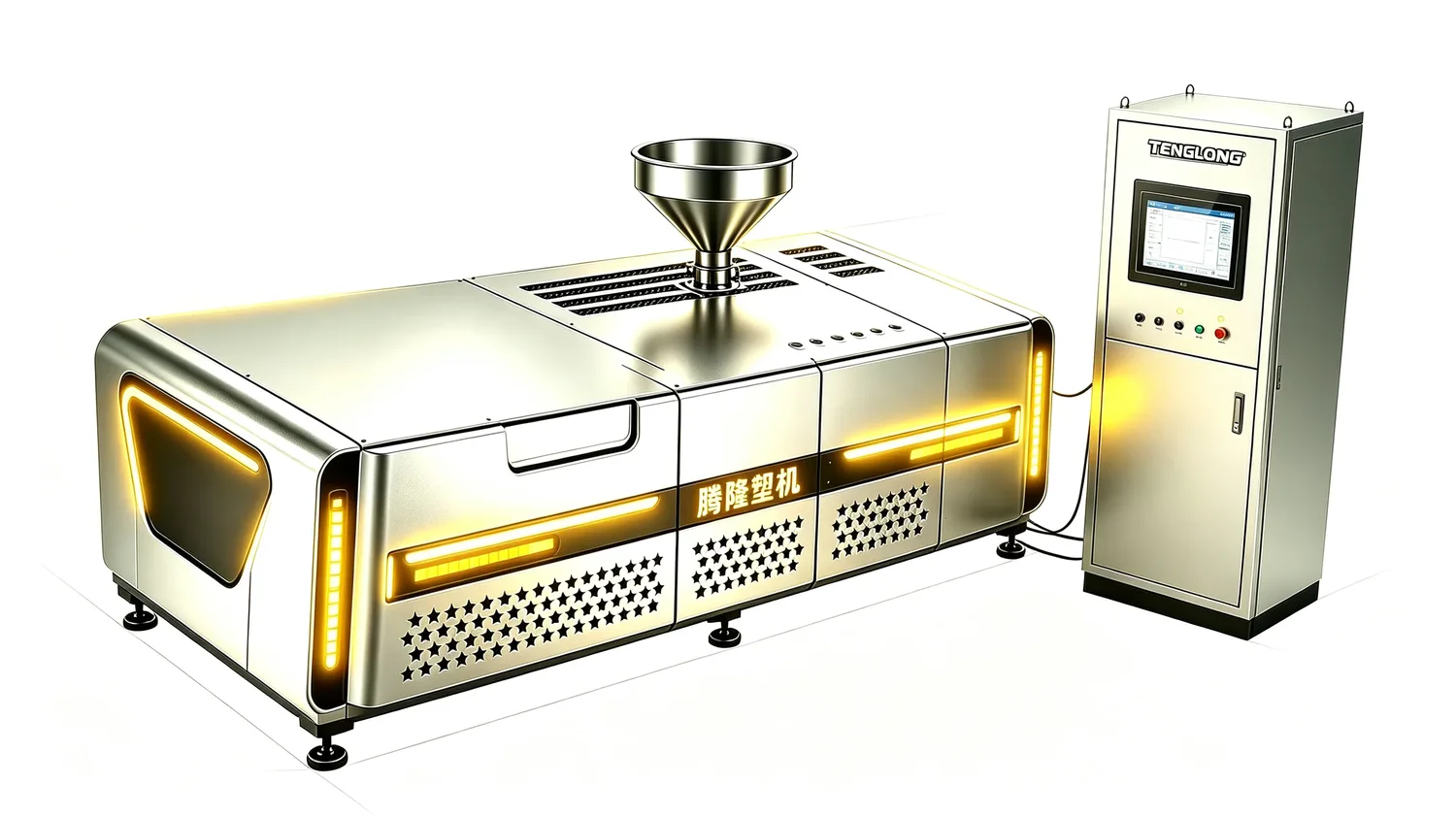
Short answer: Bottom line: Plastic crusher Indonesia only pays off when cost per ton is below the value of the product sold. Here is the breakdown. Single shaft suits bottles; double shaft handles bulky waste. Humid material can clog the screen faster than dry material.
Cost items that are often missed
The cost of Plastic crusher Indonesia is often reduced to the purchase price. In daily operation, the deciding factors are the ones missing from the initial quotation.
Choosing a plastic crusher in Indonesia means matching rotor and screen design to local waste and humid conditions. Single shaft suits bottles; double shaft handles bulky waste.
Cost-per-ton formula and assumptions
In practice there are four variables that cannot be ignored. They come from commissioning lines in the field, not from a brochure.
One often-overlooked variable is maintenance space. Our page on plastic granulator machine explains how machine spacing and forklift lanes affect daily energy use.
Cost breakdown (worked example)
The table below summarizes the references we use. Values marked ‘engineering estimate’ are derived from published specifications, not measurements on a customer line.
| Component | Basis | Source |
|---|---|---|
| Electricity | 280 – 380 kWh/t for the extrusion chain | TENGLONG measurement |
| Blades & screen | Counted per ton, not per year | Engineering estimate |
| Filter | Replaced every few hours of operation | Engineering estimate |
| Water | Recirculated makeup for washing/cooling | Engineering estimate |
| Downtime | Planned screen changes and maintenance | Engineering experience |
- Right material: Bottles → crusher/washing; film → agglomerator or two-stage
- Right capacity: 1.5 m at panel side; 1.2 m between machines
- Right layout: 1.5 m at panel side; 1.2 m between machines
Hidden costs that appear in month six
The cost that appears in month six is usually spare parts wearing out faster than expected — blades, screens and filters. All of them must be counted per ton, not per year.
For purchasing reference, see our PET washing line page covering the components to prepare from the start.
Energy per ton often matters more than the machine price.
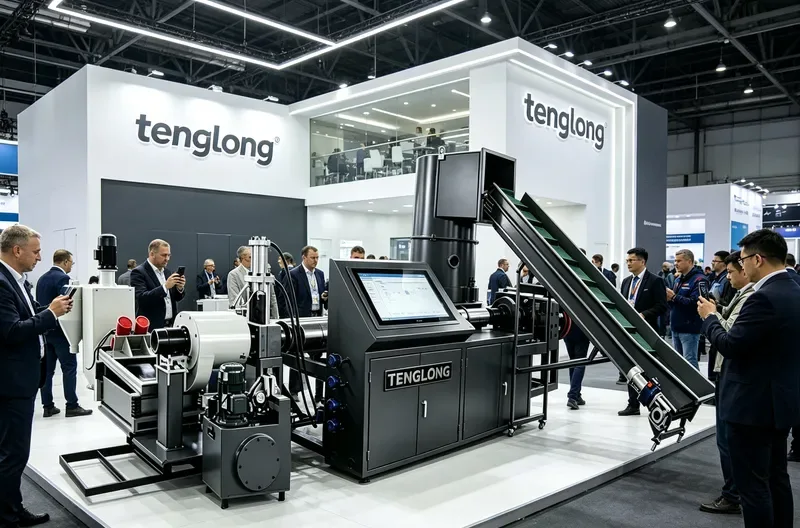
How to reduce cost without hurting quality
In closing, we recommend the same thing every time: test with your own material. Specifications and calculations narrow the shortlist, but only a trial gives numbers you can stand behind.
For Plastic crusher Indonesia, send us the material type, daily capacity and intended end product. Our team will return a configuration recommendation with the reasoning behind it.
Frequently asked questions
Which machine should I buy first?
It depends on the waste. Bottles need a crusher and washing line; film needs an agglomerator or two-stage extruder.
How much floor area is needed?
A realistic figure for a 500 kg/h line is 120 – 180 m² including raw material, machines and maintenance.
Can a small line be profitable?
Yes. Lines of 100 – 300 kg/h are common for small businesses once waste supply and market are stable.
Why does a line miss its rated capacity?
One stage becomes a bottleneck. Measure each stage first instead of increasing motor power everywhere.
Is electricity cost the same across Indonesia?
No. Tariffs and demand charges vary by region and time of day. Insert your local rate; the numbers here are a worked example.
What is most often misunderstood about Plastic crusher Indonesia?
Single shaft suits bottles; double shaft handles bulky waste. Humid material can clog the screen faster than dry material.
Method and basis of review
All capacity, energy, dimension and quality figures are taken from publicly published pages of the TENGLONG website (quality page, machine catalog and technical articles, accessed 20 November 2026). Tables and calculations marked “engineering estimate” are derived from those figures and are not measurements on a customer line. Standards referenced: CE & ISO 9001 (factory certification) and the published PET flake quality specifications. Values without direct measurement are described as engineering experience, not production guarantees.