4 menit baca
From collected bottles to flakes: a plastic crusher line in Indonesia
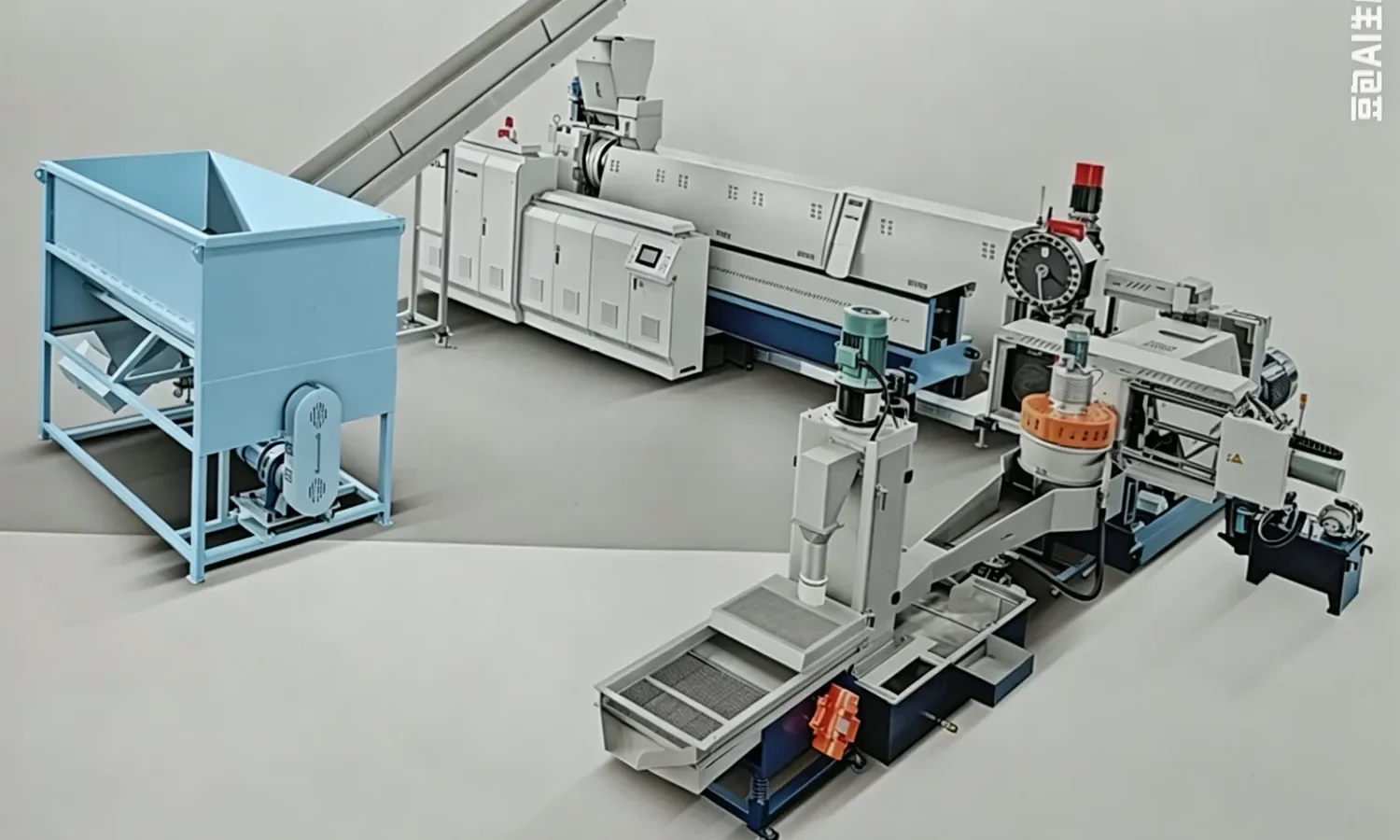
Short answer: In short: in Plastic crusher Indonesia, material moves through several stages — understanding each transfer point is the key to efficiency. Single shaft suits bottles; double shaft handles bulky waste. Humid material can clog the screen faster than dry material.
Overview from input to output
Understanding Plastic crusher Indonesia means following the material from input to output. Every transfer point is where efficiency can be lost.
Choosing a plastic crusher in Indonesia means matching rotor and screen design to local waste and humid conditions. Single shaft suits bottles; double shaft handles bulky waste.
Each stage and its control point
In practice there are four variables that cannot be ignored. They come from commissioning lines in the field, not from a brochure.
One often-overlooked variable is maintenance space. Our page on contact TENGLONG explains how machine spacing and forklift lanes affect daily energy use.
Stage table and key parameters
The table below summarizes the references we use. Values marked ‘engineering estimate’ are derived from published specifications, not measurements on a customer line.
| Stage | Control point | Note |
|---|---|---|
| Receive and sort the waste; remove metal, glass and hazardous items. | See steps below | Standard flow |
| Reduce size with a shredder or crusher depending on input size. | See steps below | Standard flow |
| Wash and dry to remove labels, glue and dirt. | See steps below | Standard flow |
| Extrude and pelletize if the end product is pellets. | See steps below | Standard flow |
| Collect, test quality and pack into bags. | See steps below | Standard flow |
- Receive and sort the waste; remove metal, glass and hazardous items.
- Reduce size with a shredder or crusher depending on input size.
- Wash and dry to remove labels, glue and dirt.
- Extrude and pelletize if the end product is pellets.
- Collect, test quality and pack into bags.
The most common bottlenecks
The most common bottleneck is not the main machine but the transfers between stages: unsynchronized conveyors, an overflowing hopper or an overloaded dryer.
Our page on plastic granulator machine explains how a straight material flow reduces energy and labour needs.
Energy per ton often matters more than the machine price.
Acceptance standard for the final product
In closing, we recommend the same thing every time: test with your own material. Specifications and calculations narrow the shortlist, but only a trial gives numbers you can stand behind.
For Plastic crusher Indonesia, send us the material type, daily capacity and intended end product. Our team will return a configuration recommendation with the reasoning behind it.
Frequently asked questions
Which machine should I buy first?
It depends on the waste. Bottles need a crusher and washing line; film needs an agglomerator or two-stage extruder.
How much floor area is needed?
A realistic figure for a 500 kg/h line is 120 – 180 m² including raw material, machines and maintenance.
Can a small line be profitable?
Yes. Lines of 100 – 300 kg/h are common for small businesses once waste supply and market are stable.
Why does a line miss its rated capacity?
One stage becomes a bottleneck. Measure each stage first instead of increasing motor power everywhere.
Are all stages required for every material?
No. Flakes do not need pelletizing, and material that is already clean can skip some washing stages.
What is most often misunderstood about Plastic crusher Indonesia?
Single shaft suits bottles; double shaft handles bulky waste. Humid material can clog the screen faster than dry material.
Method and basis of review
All capacity, energy, dimension and quality figures are taken from publicly published pages of the TENGLONG website (quality page, machine catalog and technical articles, accessed 20 November 2026). Tables and calculations marked “engineering estimate” are derived from those figures and are not measurements on a customer line. Standards referenced: CE & ISO 9001 (factory certification) and the published PET flake quality specifications. Values without direct measurement are described as engineering experience, not production guarantees.