4 menit baca
Plastic crusher overheating in tropical conditions: causes and fixes
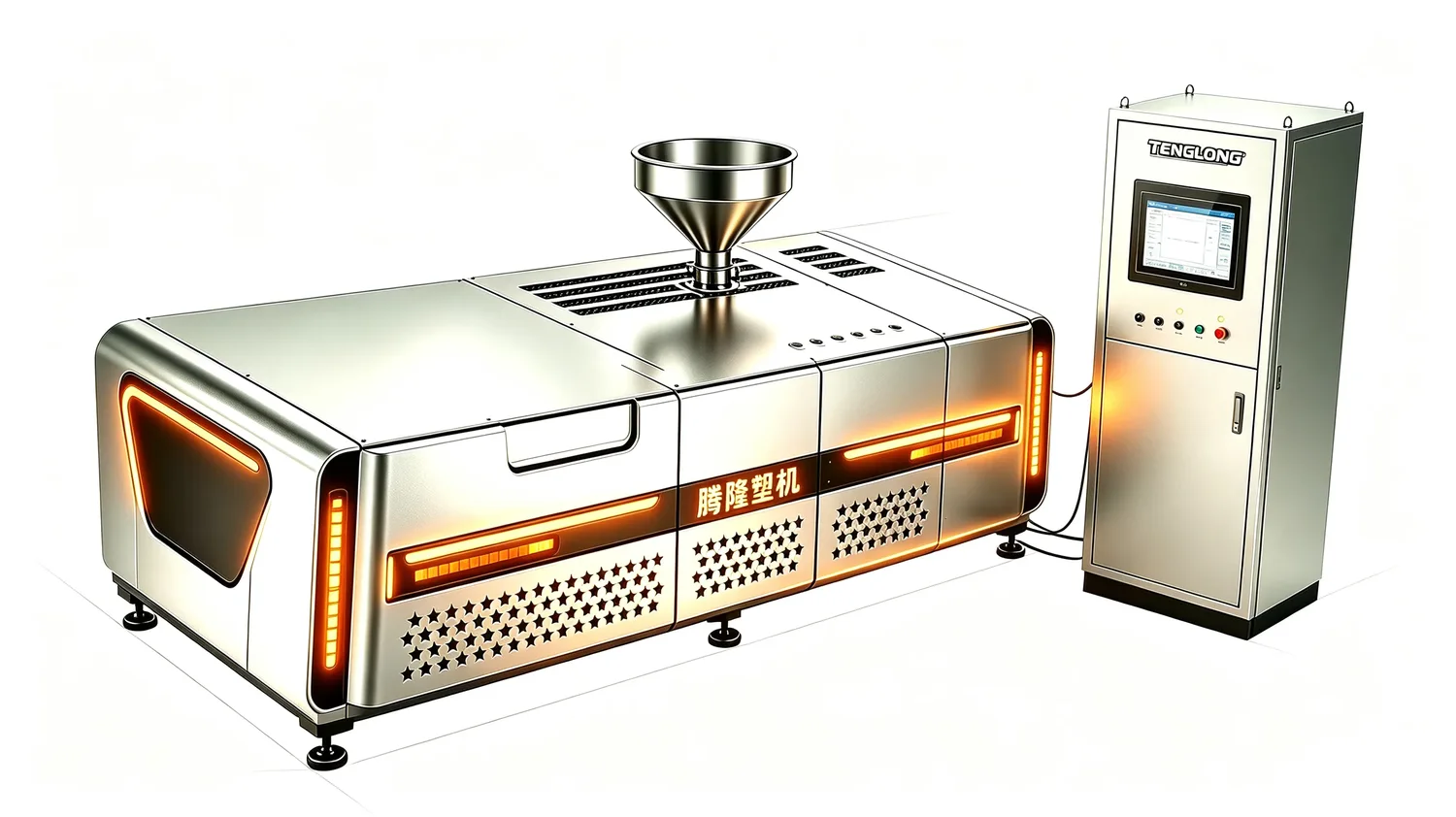
Short answer: Short answer: when Plastic crusher Indonesia misbehaves, do not replace parts immediately. Identify the symptom, then trace the cause from the simplest one. Single shaft suits bottles; double shaft handles bulky waste. Humid material can clog the screen faster than dry material.
Early warning signs to recognize
When Plastic crusher Indonesia stops or output quality drops, the first reaction is often to replace parts. That is usually the wrong and expensive move.
Choosing a plastic crusher in Indonesia means matching rotor and screen design to local waste and humid conditions. Single shaft suits bottles; double shaft handles bulky waste.
Layered causes: simple to serious
In practice there are four variables that cannot be ignored. They come from commissioning lines in the field, not from a brochure.
One often-overlooked variable is maintenance space. Our page on PET washing line explains how machine spacing and forklift lanes affect daily energy use.
Diagnosis table: symptom, cause, action
The table below summarizes the references we use. Values marked ‘engineering estimate’ are derived from published specifications, not measurements on a customer line.
| Symptom | Common cause | First action |
|---|---|---|
| Pellets are brittle | Melt temperature too low; cutter speed mismatched | Raise front-zone temperature; match cutter speed |
| Pellets have voids | Moisture or gas not removed | Improve degassing; dry material; check filter |
| Machine jams at infeed | Irregular feeding; oversized input | Stabilize feeding; pre-shred bulky waste |
| Overheating / high noise | Bearing wear; rotor imbalance | Check bearings; balance rotor |
- Record the symptom before touching the machine.
- Check feeding and basic settings.
- Compare with the diagnosis table above.
- Make one change, then test again.
Safe inspection steps
Inspect with the machine stopped and locked out (lock-out/tag-out). Never open a guard while the rotor is moving.
If the problem persists after the steps above, record temperature, motor current and the time of the event and include them when you contact our team — that data speeds up diagnosis.
Energy per ton often matters more than the machine price.
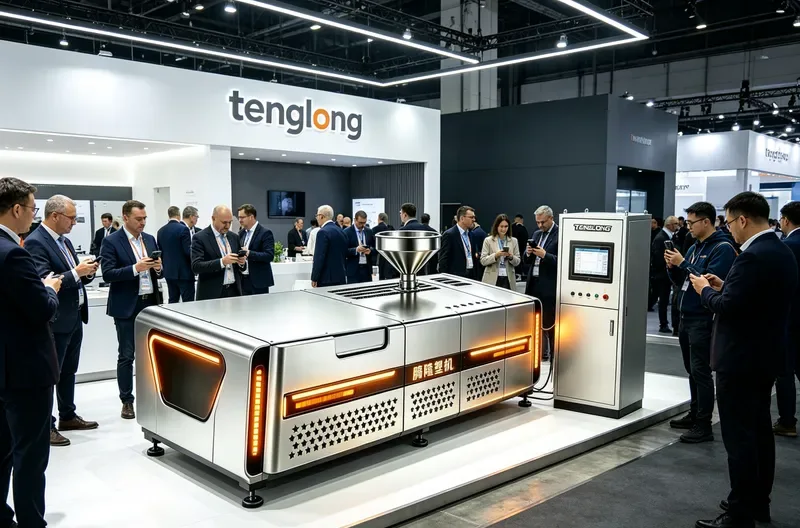
Prevention to stop it happening again
In closing, we recommend the same thing every time: test with your own material. Specifications and calculations narrow the shortlist, but only a trial gives numbers you can stand behind.
For Plastic crusher Indonesia, send us the material type, daily capacity and intended end product. Our team will return a configuration recommendation with the reasoning behind it.
Frequently asked questions
Which machine should I buy first?
It depends on the waste. Bottles need a crusher and washing line; film needs an agglomerator or two-stage extruder.
How much floor area is needed?
A realistic figure for a 500 kg/h line is 120 – 180 m² including raw material, machines and maintenance.
Can a small line be profitable?
Yes. Lines of 100 – 300 kg/h are common for small businesses once waste supply and market are stable.
Why does a line miss its rated capacity?
One stage becomes a bottleneck. Measure each stage first instead of increasing motor power everywhere.
When should I call a technician?
If the first two steps do not change the symptom, or if the issue involves the motor, gearbox or hydraulic system. Do not open those without lock-out procedures.
What is most often misunderstood about Plastic crusher Indonesia?
Single shaft suits bottles; double shaft handles bulky waste. Humid material can clog the screen faster than dry material.
Method and basis of review
All capacity, energy, dimension and quality figures are taken from publicly published pages of the TENGLONG website (quality page, machine catalog and technical articles, accessed 20 November 2026). Tables and calculations marked “engineering estimate” are derived from those figures and are not measurements on a customer line. Standards referenced: CE & ISO 9001 (factory certification) and the published PET flake quality specifications. Values without direct measurement are described as engineering experience, not production guarantees.